The Lavreotiki stretches across the southeastern edge of Attica like a land slowly awakening from ancient sleep. Since the Neolithic period, people have left their first traces here, small sparks upon stone. They were always drawn to the subsoil — an underground realm of metal, darkness, and promise.
Perhaps even the name Lavrio was born from this secret bond with the earth: from lavra or lavri, the narrow stone-paved passage, the corridor, the sideway. A word which, in Homer, evokes a passageway, a path that leads not only somewhere, but inward as well.
And then, after antiquity, when the mines fell silent, the land sank into a long hush. For centuries, until the mid‑19th century, the Lavreotiki seemed almost uninhabited, as if waiting patiently for the right moment to speak again. And it did speak: in the late 19th century, when European exploiters reopened the earth’s depths, and above the shafts, tunnels, and chimneys, the modern town of Lavrio was born.
Today, around 10,000–11,000 people live here, while in summer the population of the wider region swells like a breath filling the chest of the land. Only twenty years ago, the town still bore the character of a purely industrial community, with more than 20,000 inhabitants and a rhythm shaped by machines and factory life.
Every corner of the Lavreotiki — its streets, its buildings, its bare luminous landscapes, its rusted memories — carries a story about Greek industrial and architectural evolution. A walk through Lavrio feels like a silent ritual, a cultural seminar not taught through words but through light, stone, and air. A place where antiquity, modern Greece, and the contemporary world do not simply follow one another; they coexist, like layers in the same subsoil.
 text 3
 text 3
 text 3
 text 3
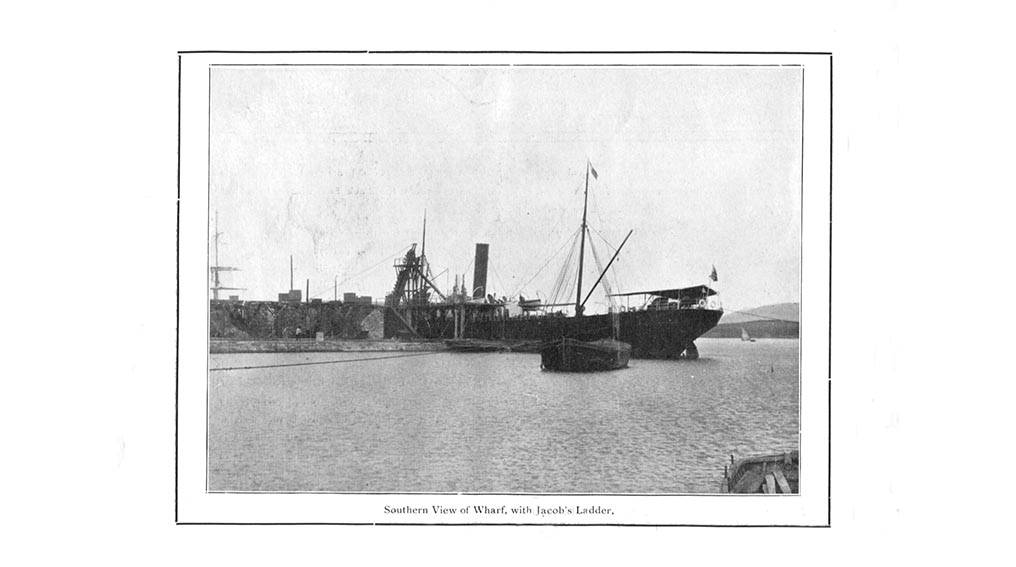 text 3
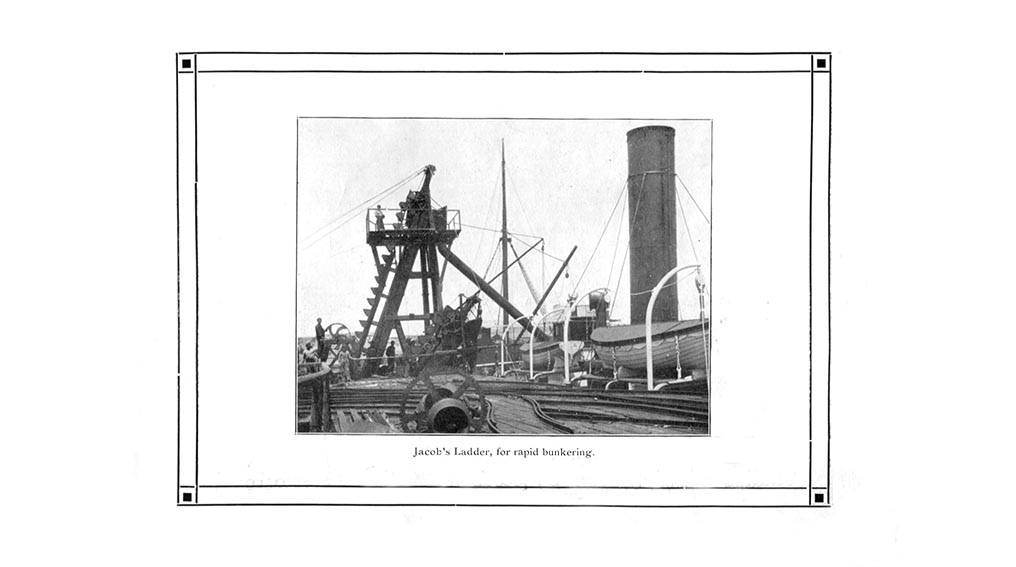 text 3
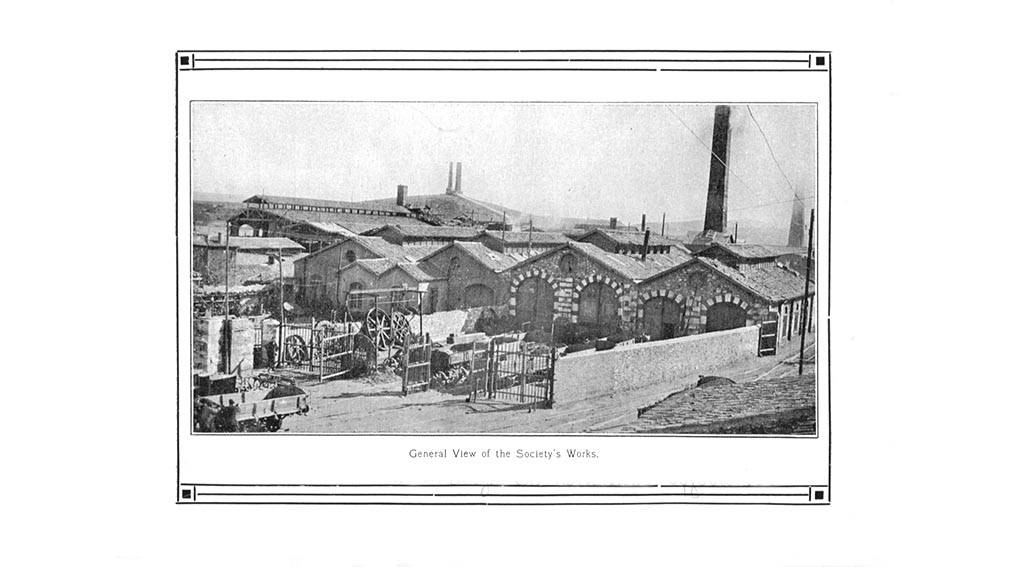 text 3
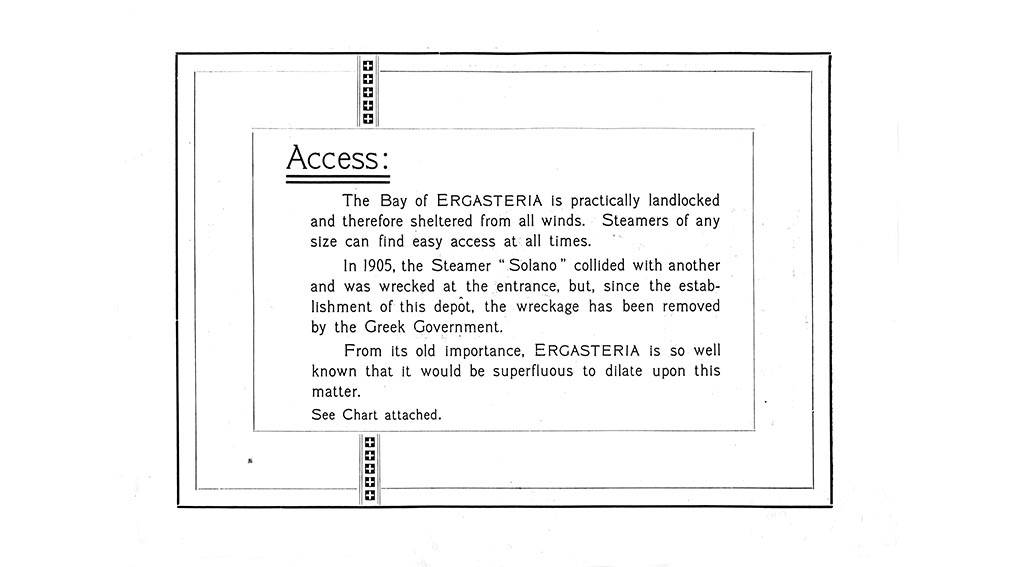 text 3
 text 3
 text 3
 text 3
 text 3
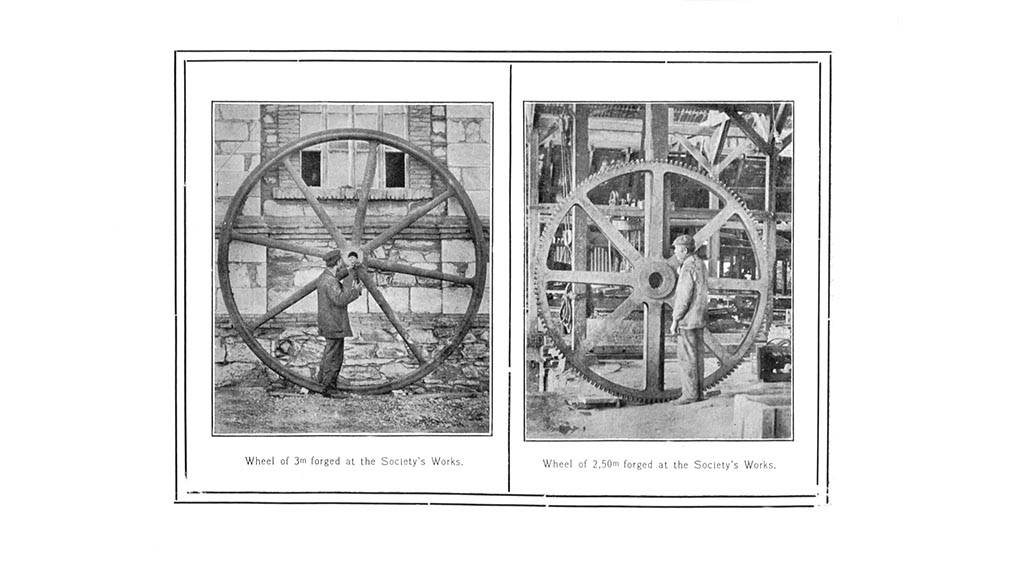 text 3
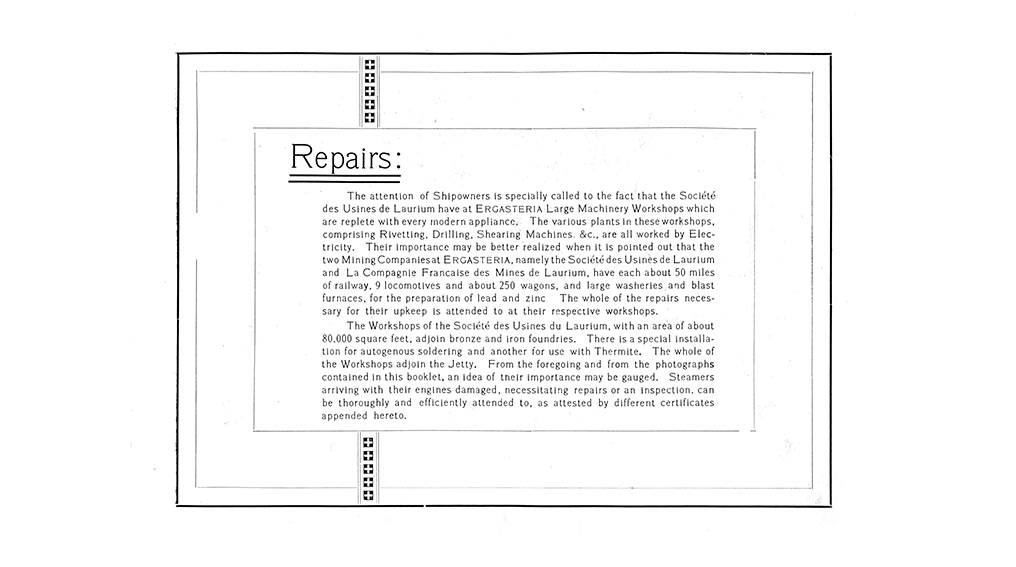 text 3
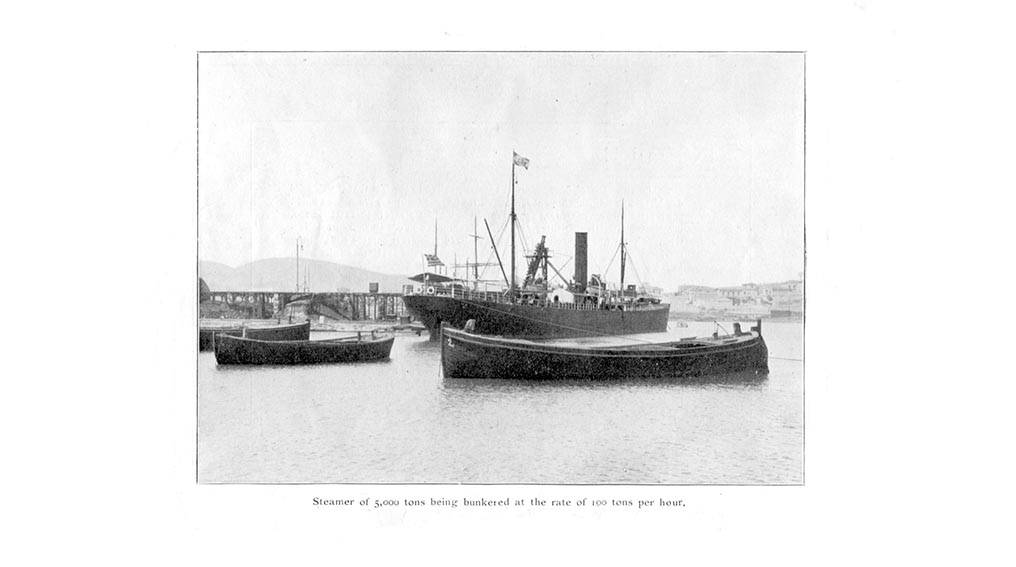 text 3
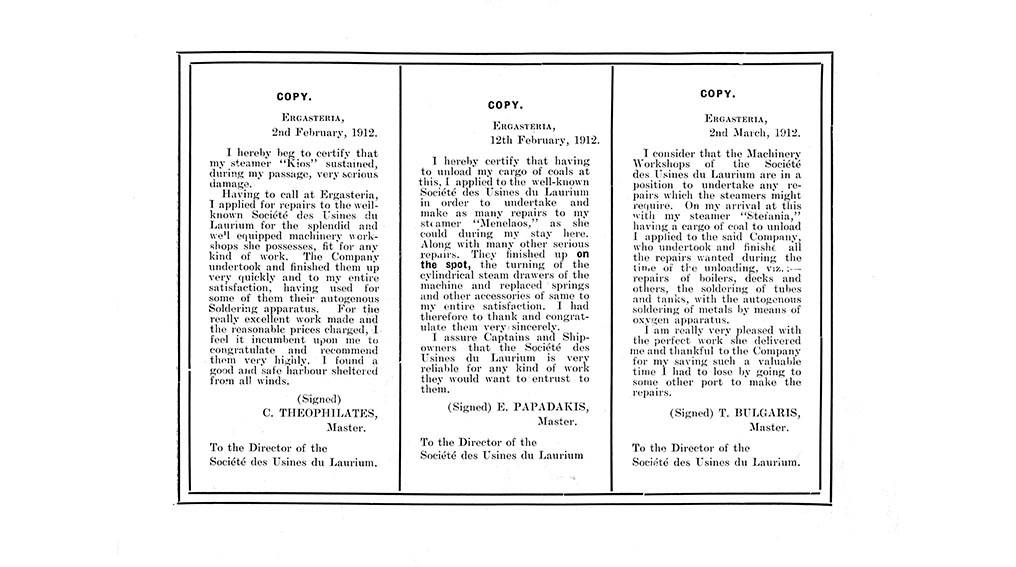 text 3
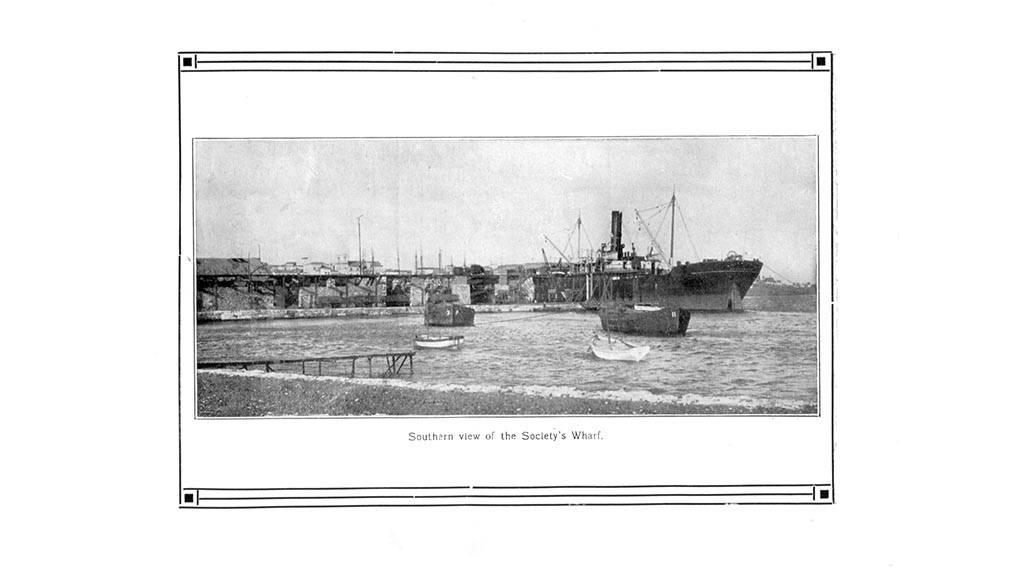 text 3
 text 3
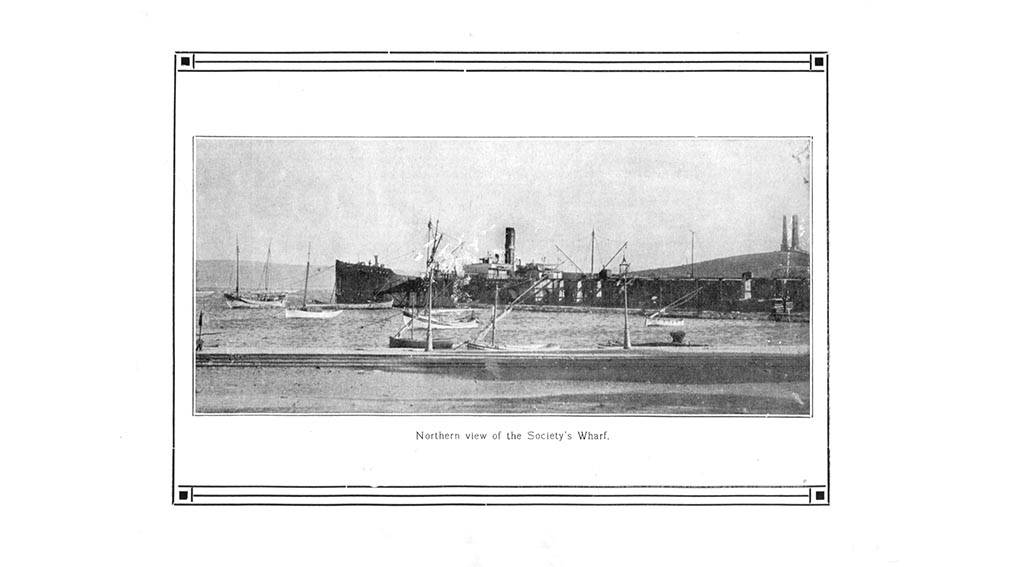 text 3
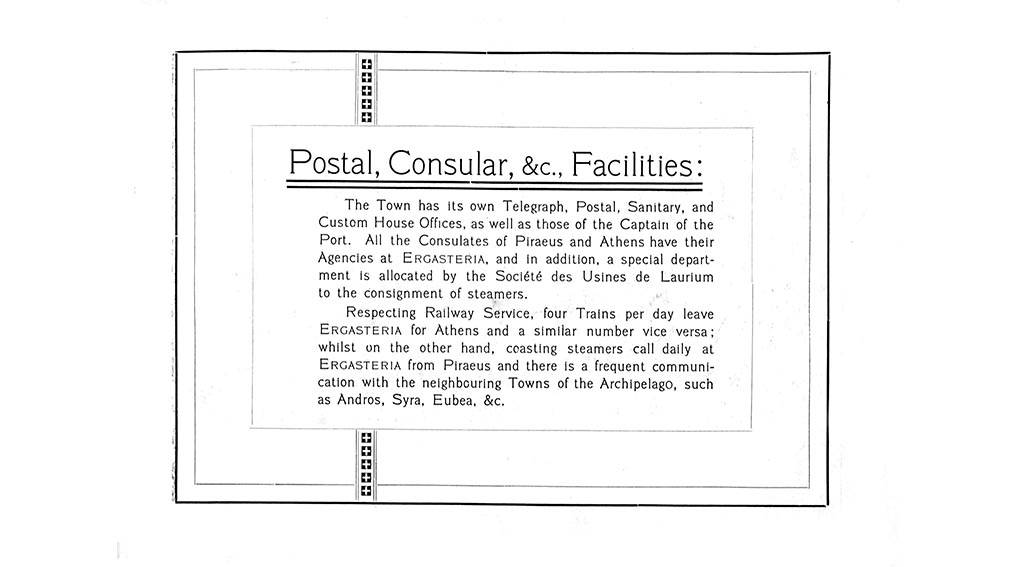 text 3
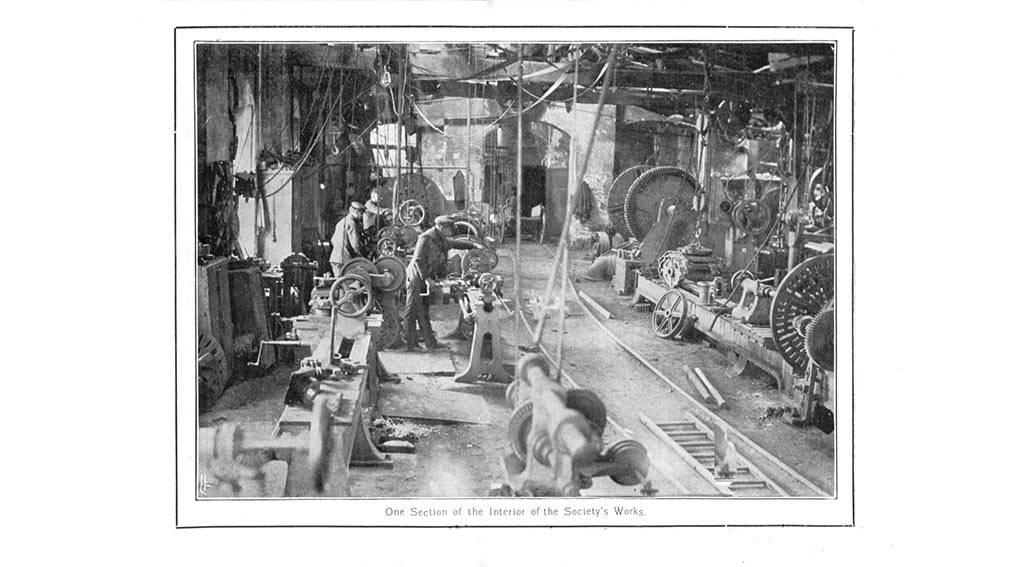 text 3
 text 3
 text 3
 text 3
 text 3
 text 3
 text 3


